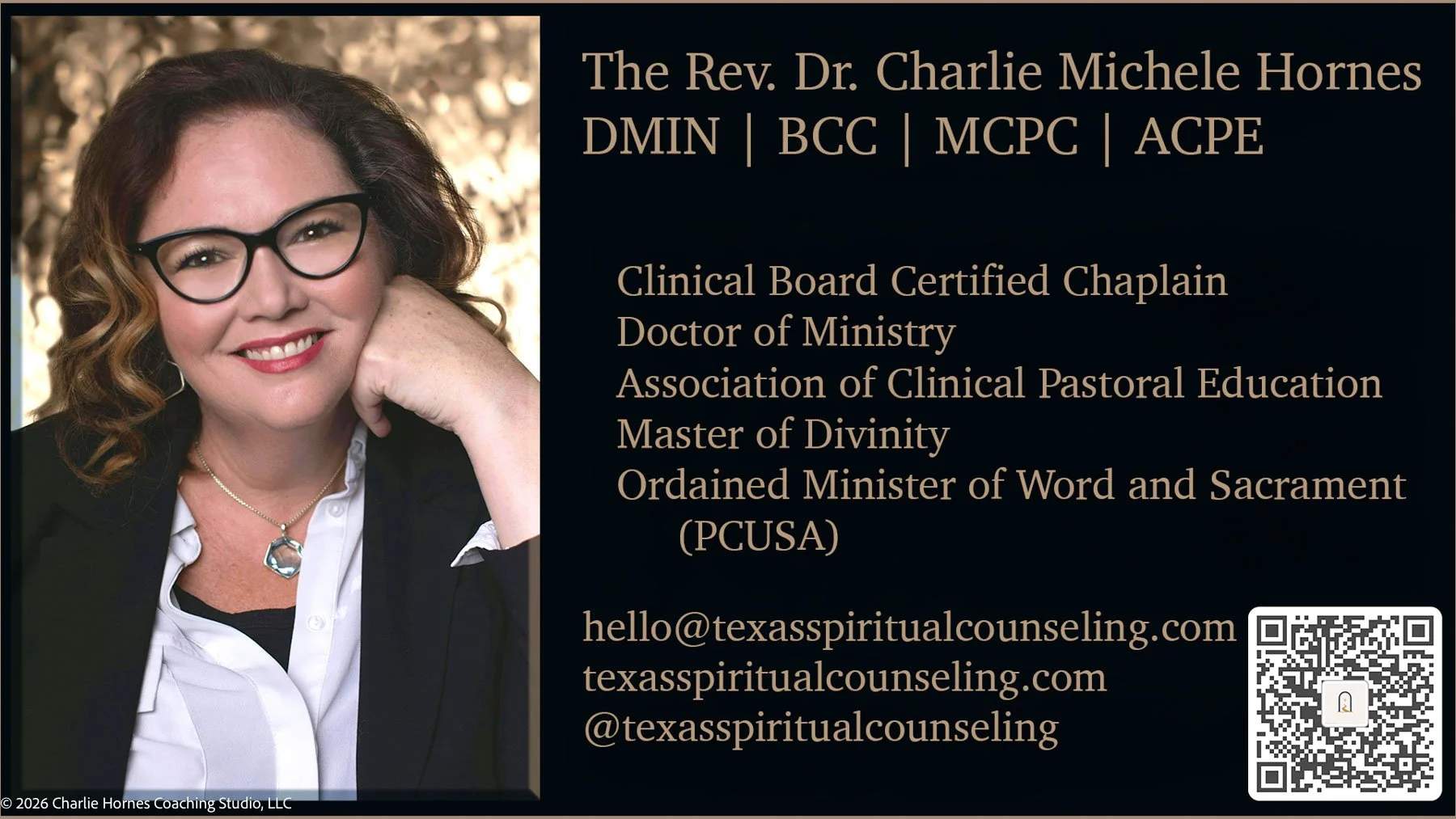
About The Rev. Dr. Charlie Michele Hornes
The Rev. Dr. Charlie Michele Hornes, DMin, BCC, MCPC, is a Board Certified Chaplain, ordained Minister of Word and Sacrament in the Presbyterian Church (USA), and founder of Texas Spiritual Counseling.
Her work is grounded in the belief that not every form of suffering can be understood solely through psychological or medical categories. Some experiences raise profound questions about meaning, identity, purpose, conscience, hope, relationships, faith, and the search for healing. Clinical Spiritual Counseling provides a confidential, clinically informed, and ethically grounded space where those questions can be explored with compassion, professional insight, and deep respect for each person's beliefs, values, culture, and lived experience.
The Rev. Dr. Hornes is a provider of Clinical Spiritual Counseling for adults and, when clinically appropriate, children and families navigating grief, spiritual distress, moral injury, disaster recovery, serious illness, caregiver strain, church and institutional harm, leadership under prolonged stress, and life's deepest questions when emotional suffering and spiritual concerns cannot easily be separated.
Whether someone is navigating profound grief, spiritual distress, faith questions, caregiver exhaustion, moral injury, serious illness, family crisis, or the aftermath of disaster, Dr. Hornes provides a professional relationship where healing can include the emotional, spiritual, moral, relational, and existential dimensions of recovery.
Her work is collaborative and complements medical care, behavioral health treatment, pastoral ministry, hospice, palliative care, and community support whenever additional services are appropriate.
Education, Clinical Training & Experience
Dr. Hornes earned her Master of Divinity from Union Theological Seminary in the City of New York with Columbia University, and her Doctor of Ministry from Austin Presbyterian Theological Seminary, in Austin, Texas.
She completed her postgraduate Clinical Pastoral Education internship at Mount Sinai Morningside Hospital in New York City and her clinical residency with Baptist Health System in San Antonio, completing more than 3,600 hours of supervised postgraduate clinical chaplaincy training while providing spiritual care within hospitals, intensive care units, emergency departments, surgery, oncology, behavioral health, hospice, palliative care, and interdisciplinary healthcare teams.
Throughout her clinical formation, Dr. Hornes received extensive training in pediatric spiritual care, pediatric intensive care, pediatric and perinatal palliative care, neonatal and perinatal loss, family-centered care, and interdisciplinary support for children and families facing serious illness, complex medical conditions, end-of-life care, and profound loss.
She is a Clinical Board Certified Chaplain through the Association of Professional Chaplains and the Board of Chaplaincy Certification Inc., where she meets nationally recognized standards for professional chaplaincy, continuing education, ethics, clinical competence, and professional accountability.
Over more than two decades of ministry and clinical chaplaincy practice, The Rev. Dr. Hornes has served individuals, children, adolescents, parents, siblings, caregivers, families, healthcare organizations, churches, universities, nonprofit organizations, and community agencies through seasons of illness, grief, trauma, transition, and recovery.
Her professional experience includes adult and pediatric hospital chaplaincy, emergency medicine, intensive care, oncology, hospice, palliative care, pediatric and perinatal palliative care, addiction recovery, higher education, church ministry, organizational leadership, and community disaster response.
She has cared for individuals and families during some of life's most difficult moments, including serious illness, end-of-life care, pediatric and perinatal loss, addiction recovery, COVID-19 intensive care units, the September 11 response in New York City, the Uvalde school shooting, and the 2025 Kerr County and Texas Hill Country flood recovery efforts.
Throughout her career, she has worked alongside physicians, nurses, social workers, behavioral health professionals, child life specialists, first responders, clergy, educators, and community leaders, recognizing that healing often requires collaboration across multiple disciplines.
Board Certified Chaplaincy: Clinical Training & Professional Practice
What Is a Clinical Board Certified Chaplain?
Clinical Board Certification is the highest level of professional credentialing within the chaplaincy profession and represents advanced graduate education, extensive supervised clinical training, demonstrated professional competencies, peer review, continuing education, and ongoing accountability to nationally recognized standards of ethics and clinical practice.
Professional Board Certified Chaplains are clinically trained spiritual care providers who serve as members of interdisciplinary healthcare teams within hospitals, hospice, palliative care, behavioral health settings, disaster response, and other complex care environments where individuals and families are navigating serious illness, trauma, loss, ethical decision-making, and life-changing events.
Clinical Pastoral Education (CPE): Learning in the Clinical Setting
Unlike classroom education alone, Board Certification is built upon Clinical Pastoral Education (CPE)—an intensive, experiential model of postgraduate clinical training that integrates direct patient care, individual supervision, group consultation, didactic instruction, case presentations, reflective practice, clinical documentation, competency evaluation, and interdisciplinary collaboration. CPE includes full-time clinical internship and residency training completed within accredited healthcare institutions and clinical education centers through the Association for Clinical Pastoral Education.
Rather than learning primarily through lectures or textbooks, chaplains develop clinical competence by providing direct care to individuals and families experiencing serious illness, trauma, grief, crisis, disability, end-of-life care, and other significant life events while receiving intensive supervision from certified clinical educators and participating as members of interdisciplinary healthcare teams.
Clinical Pastoral Education places chaplains directly within healthcare environments where they provide whole-person care while participating in emergency response, intensive care, ethics consultation, interdisciplinary rounds, family meetings, crisis intervention, goals-of-care discussions, end-of-life decision support, and complex care planning alongside physicians, nurses, social workers, therapists, psychologists, and other healthcare professionals.
A central component of Clinical Pastoral Education is learning to provide compassionate, ethically grounded spiritual care without imposing one's own beliefs, theology, or worldview upon those being served. Professional chaplains receive extensive formation in religious and spiritual diversity, cultural humility, professional boundaries, self-awareness, ethical decision-making, and person-centered care.
This preparation equips Board Certified Chaplains to care for individuals from a wide range of religious traditions, Christian denominations, spiritual backgrounds, and cultural communities, as well as those who identify as agnostic, atheist, spiritually curious, questioning, or without any religious affiliation.
Rather than persuading individuals toward a particular belief system, Clinical Pastoral Education teaches chaplains to begin with the individual's own beliefs, values, relationships, sources of meaning, worldview, and lived experience. The goal is not to provide predetermined answers, but to create a safe, respectful environment where individuals can explore the questions that often emerge during serious illness, grief, trauma, disaster, caregiving, major life transitions, and other significant life events.
Professional chaplaincy emphasizes presence over persuasion, compassionate curiosity over assumption, and ethical accompaniment over proselytizing. Individuals are supported in making meaning according to their own beliefs, values, culture, conscience, and life experience while their dignity, autonomy, and spiritual freedom are respected throughout the counseling relationship.
Dr. Hornes' Clinical Formation
Following graduate theological education, Dr. Hornes completed her Clinical Pastoral Education internship at Mount Sinai Morningside Hospital in New York City and her postgraduate residency with Baptist Health System in San Antonio, completing more than 3,600 hours of supervised clinical chaplaincy practice while serving as a member of interdisciplinary healthcare teams.
Clinical Practice Experience
Her supervised clinical experience included care within:
Emergency Departments
Adult Intensive Care Units
Pediatric Intensive Care Units
Surgery and Trauma Services
Oncology
Behavioral Health
Hospice and Adult Palliative Care
Pediatric and Perinatal Palliative Care
Neonatal and Perinatal Loss
Serious Illness and End-of-Life Care
Addiction Recovery
Community Crisis Response
Disaster Recovery
Throughout this clinical training, Dr. Hornes cared not only for patients, but also for parents, children, spouses, siblings, caregivers, healthcare professionals, clergy, and interdisciplinary teams navigating some of life's most difficult medical, emotional, spiritual, and ethical situations.
Core Clinical Competencies
Her professional preparation included extensive experience with:
Clinical spiritual assessment
Spiritual distress assessment
Grief and bereavement care
Moral injury assessment
Crisis intervention
Trauma-informed spiritual care
Pediatric and family-centered care
End-of-life and goals-of-care conversations
Family systems during illness and loss
Interdisciplinary collaboration
Clinical documentation
Healthcare ethics
Professional boundaries
Care coordination and referral
Cultural and religious humility
Disaster spiritual care
Interdisciplinary Healthcare Practice
Throughout her career, Dr. Hornes has worked alongside physicians, advanced practice providers, nurses, licensed clinical social workers, psychologists, psychiatrists, therapists, child life specialists, hospice professionals, case managers, clergy, emergency responders, educators, and community organizations.
This interdisciplinary experience has shaped a collaborative philosophy of care that recognizes the unique expertise each profession contributes while ensuring individuals receive the most appropriate level of support through coordinated referrals, shared decision-making, and whole-person care.
How Clinical Spiritual Counseling Fits Within Healthcare
Professional Clinical Spiritual Counseling does not replace medical care, licensed mental health treatment, psychiatry, or pastoral ministry.
Rather, it complements these disciplines by addressing dimensions of suffering that frequently involve:
Grief and bereavement
Spiritual distress
Moral injury
Questions of meaning and purpose
Conscience and ethical conflict
Identity following illness or trauma
Faith and spiritual struggle
Hope during uncertainty
Family relationships
Existential concerns surrounding illness, loss, and recovery
Clinical Spiritual Counseling is one component of a collaborative, whole-person approach to care.
Professional Standards & Ethical Practice
Professional practice is guided by nationally recognized standards of chaplaincy, professional ethics, interdisciplinary collaboration, confidentiality, cultural humility, continuing education, and ongoing peer accountability.
Clinical decision-making is informed by widely recognized healthcare ethical principles—including respect for autonomy, beneficence, nonmaleficence, justice, and professional integrity—as appropriate to the practice of Clinical Spiritual Counseling.
A Foundation for Whole-Person Care
The combination of graduate theological education, doctoral study, extensive supervised clinical formation, Board Certification, and more than two decades of interdisciplinary experience provides the foundation for a practice that is clinically informed, ethically grounded, spiritually integrated, and centered on compassionate whole-person care.
Whether working alongside physicians in an intensive care unit, supporting families during pediatric or perinatal loss, responding to community disasters, or accompanying individuals through grief, moral injury, or spiritual distress, Dr. Hornes' approach reflects a commitment to professional excellence, ethical integrity, and collaborative care that honors the dignity of every person.Dr. Hornes primarily serves adults and also provides Clinical Spiritual Counseling for children, adolescents, and families when concerns fall within the scope of her professional education, clinical training, and experience.
Areas of focus include:
Grief and bereavement
Spiritual distress
Moral injury and survivor guilt
Disaster recovery
Church hurt and institutional harm
Anger at God, faith questions, and spiritual struggle
Loss of meaning, purpose, or identity
Serious illness and end-of-life concerns
Pediatric serious illness and family-centered spiritual care
Perinatal loss, pregnancy loss, neonatal loss, and pediatric palliative care support
Caregiver fatigue and compassion strain
Leadership under prolonged stress
Medical, vocational, family, and life decisions during seasons of uncertainty
Compassion fatigue and occupational stress
Family conflict following significant loss or trauma
Existential concerns related to suffering, mortality, vocation, and hope
Difficult life transitions and major life disruption
Services are available to individuals of every faith tradition, spiritual background, or no religious affiliation.
Individuals do not need to identify as Christian—or identify with any religion—to benefit from Clinical Spiritual Counseling.
Philosophy of Care
Healing often involves more than reducing symptoms.
Many individuals seek Clinical Spiritual Counseling because the questions they are carrying are not only emotional—they are also spiritual, moral, relational, or existential.
They may find themselves asking:
"Why did this happen?"
"How do I live with what I've experienced?"
"Where is God in all of this?"
"Who am I now?"
"How do I help my child?"
"How do I make this decision?"
"How do I move forward?"
Clinical Spiritual Counseling offers a confidential, ethically grounded space where those questions can be explored honestly without judgment or pressure.
Rather than assuming easy answers exist, Dr. Hornes helps individuals and families clarify what they are carrying, recognize existing strengths and sources of resilience, reconnect with meaning and hope, and determine thoughtful next steps consistent with their own beliefs, values, and goals.
Her work complements medical care, behavioral health treatment, pastoral ministry, hospice, palliative care, and community support by addressing the spiritual, moral, relational, and existential dimensions of healing while collaborating with other professionals whenever appropriate.
Professional Credentials
The Rev. Dr. Charlie Michele Hornes, DMin, BCC, MCPC
Doctor of Ministry — Austin Presbyterian Theological Seminary
Master of Divinity — Union Theological Seminary, New York City - Columbia Universities
Licensed Clinical Board Certified Chaplain — Association of Professional Chaplains / Board of Chaplaincy Certification Inc.
Ordained Minister of Word and Sacrament — Presbyterian Church (USA)
More than 3,600 hospital hours of supervised postgraduate Clinical Pastoral Education and clinical chaplaincy training
More than twenty years of experience in clinical spiritual care, pastoral ministry, crisis response, disaster spiritual care, pediatric and adult hospital chaplaincy, hospice, palliative care, and interdisciplinary collaboration
If You're Wondering Whether Clinical Spiritual Counseling Is Right for You
You don't need to have all the answers before reaching out.
If you're carrying grief, spiritual questions, moral injury, uncertainty, caregiver strain, loss of meaning, church hurt, disaster-related distress, the challenges of serious illness, or simply feel that life no longer makes sense after what you've experienced, Clinical Spiritual Counseling offers a confidential place to begin.
Whether you are seeking support for yourself, your family, or your child, we'll begin by understanding your concerns together and determining whether Clinical Spiritual Counseling is the right fit—or whether another resource may better support your needs.
Clinical Spiritual Counseling creates space for conversations that many people carry alone—questions of grief, meaning, faith, conscience, identity, hope, healing, and the profound decisions that accompany life's most difficult seasons—within a professionally grounded relationship marked by compassion, ethical practice, clinical accountability, and deep respect for the dignity of every person.
What People Are Saying
-
![A woman with short gray hair, smiling, wearing a navy blazer over a blue blouse with red floral pattern, against a plain light background.]()
“Let me tell you, she is just fantastic at teasing out the truth and the deeper reasons why we are who we are, and we react the way we do, as well as being a fun person to talk to.”
~ CMSgt Casy Boomershine, MHRM, SPHR
Retired Air Force Command Chief
Human Resource Business Partner and Human Resource Manager at Spectrum
Public Speaker
-
![Joanna Rajendran Keynote Speaker, Mindset Mastery Coach, Author of MY GURU WEARS HEELS & her latest book BEST. LIFE. EVER.]()
"Charlie’s wisdom and insight are matched by her wit and relatability. Everyone will want to tune in to everything she does!"
Joanna Rajendran
Keynote Speaker, Mindset Mastery Coach, Author of MY GURU WEARS HEELS & her latest book BEST. LIFE. EVER.
-
![Sraboni R., Dedicated Viewer]()
“Your videos have had such an impact that I couldn’t hold back—I’ve been binge-watching your content, and it even made its way into my dreams thinking about making these changes for myself - it was so unforgettable.“
Sraboni R.,
Dedicated Viewer
-
![A smiling woman with curly hair, wearing a pearl necklace, earrings, and a white dress with floral and bird patterns, standing in front of an American flag.]()
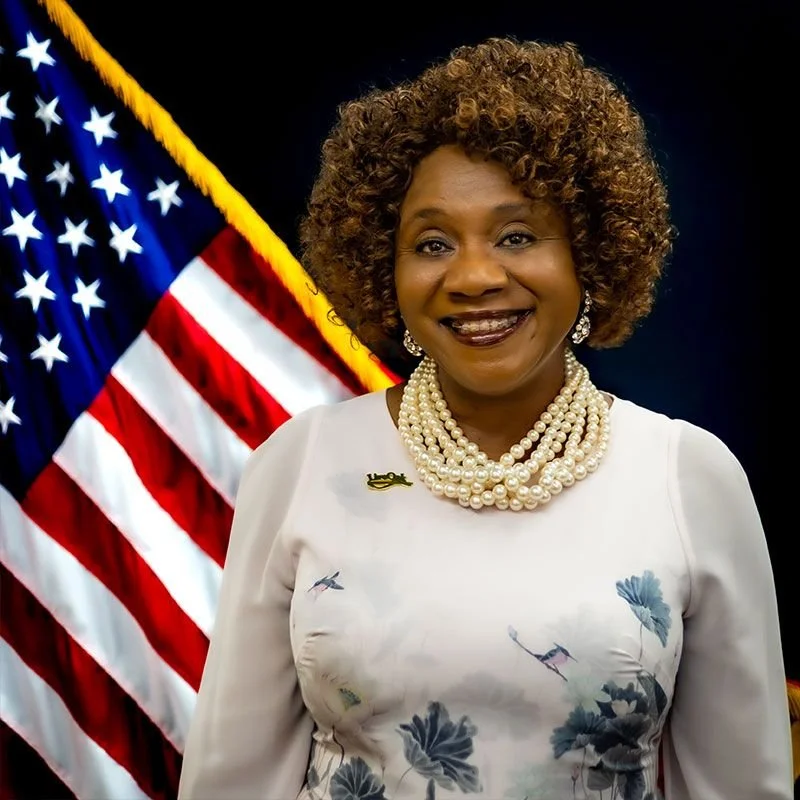
"Charlie is very talented and professional in all aspects of her work. She has a way of making you feel comfortable to share your thoughts in a way that does not feel awkward. I was blessed to share my experiences and hopefully encourage others. Keep being Great!"
Mayor Mary Dennis,
Mayor, The City of Live Oak, Texas
-
![Close-up of a young woman with dark hair, glasses, and earrings smiling outdoors in a green shirt.]()
"Dr. Charlie Hornes offers hands-on, practical advice for those dealing with trauma and life’s tough challenges. Her insights are a game-changer for anyone seeking to heal and grow into a healthier self."
-
![Smiling woman with shoulder-length brown hair, wearing a dark blue denim jacket over a light-colored top, against a gray background.]()
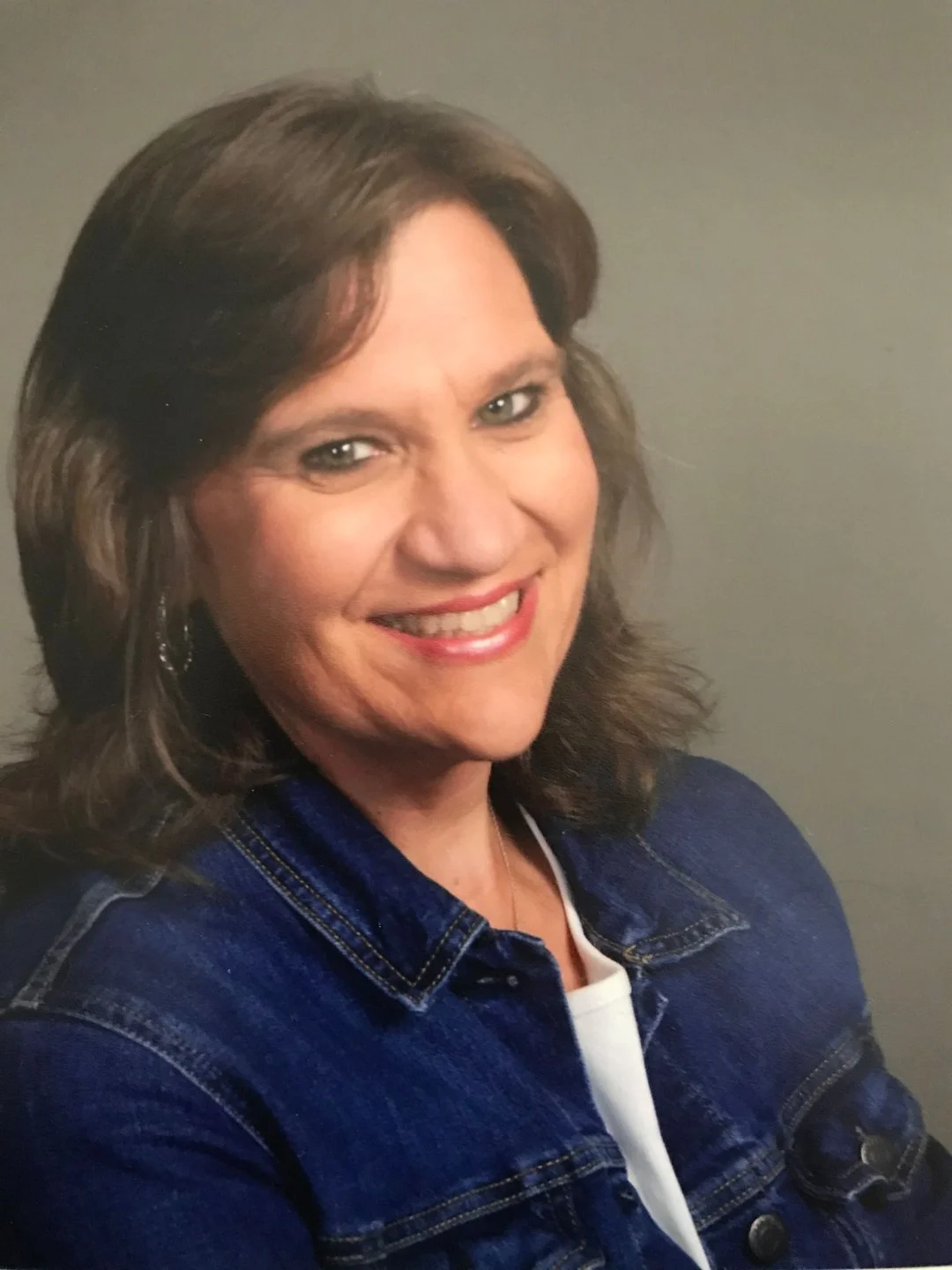
Dr. Charlie Hornes is the real deal! She knows how life experiences, circumstances and cultural norms influence all human relationships. Learning from her is enlightening, challenging, and practical!
Lynette Solomon, MDiv, BCC
-
![A woman with wavy brown hair and glasses smiling at the camera, wearing a colorful patterned top.]()
"This is one of those podcasts that will stick with you..."
~ Janina S.
Podcast Community
-
![A man wearing sunglasses, a blue helmet, and a dark vest sitting on a black motorcycle outdoors on a sunny day.]()
"Charlie is a sponge for knowledge, always one step ahead in applying what she’s learned. Now, I’m learning deeply from her. Her blend of formal education, research, and life experience makes her guidance invaluable. She’s not just a coach—she’s a mentor."
~ The Rev. Jonathan M.,
Head Pastor, Spiritual Leader,
Master Educator, All-around kindest human
-
![Mehedi H. Subscriber and Regular Listener]()
“Your YouTube channel is incredibly engaging! The content is both instructive and informative, with top-notch production quality and clear passion in every video. I’m hooked—keep up the fantastic work!”
Mehedi H.
Subscriber and Regular Listener
-
![Woman wearing glasses holding a large YouTube Silver Play Button plaque, smiling, with a microphone in front of her, against a dark blue background with stars.]()
Did you know that The Charlie Hornes Coaching Studio has a Youtube Podcast Channel? Our Channel is about to hit 350,000 SUBSCRIBERS in ONLY 6 MONTHS!! Clearly our content is resonating! @charliehornescoaching
~ The Art of Managing Your Brain Podcast Youtube Channel
-
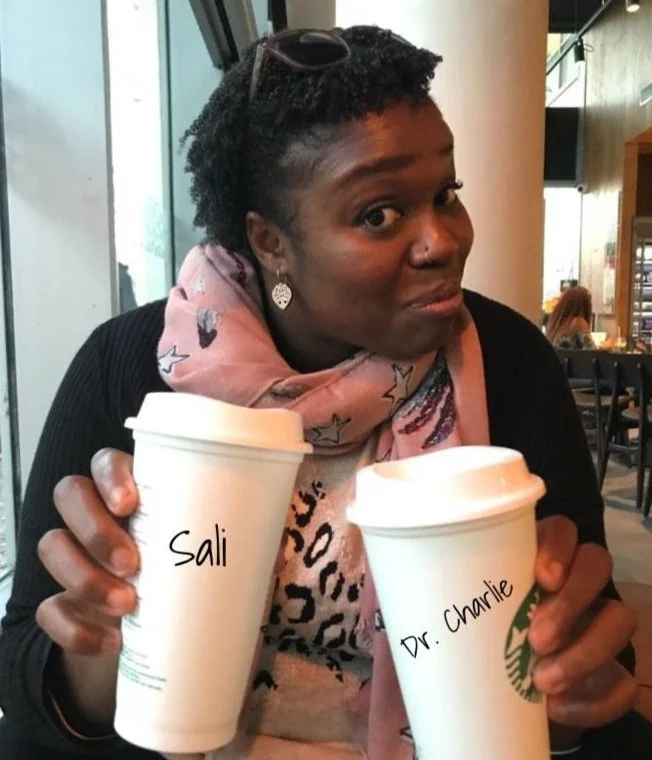
![A woman with short curly hair, wearing earrings, a pink scarf with star and skull patterns, and a black top, is holding two Starbucks cups with white lids. One cup has "Sali" written on it, and the other has "Dr. Charlie" written on it. She is making a playful facial expression inside a coffee shop or cafe.]()
"Your authentic energy is showing in all of your posts! Your episode about "Why burnout feels like a loop you can’t escape and what you can do to break free" is so insightful! The actionable takeaways, like the "Burnout Audit" and "Recalibration Routine," are such practical ways to reclaim our energy. 💪🌿 The "Reclaim Your Morning" tip is so simple yet powerful! ☕️✨ Thanks for sharinggg, Dr. Charlie! 🙌 "
Sali Bina
Regular Listener, Subscriber