4 Cartesian Questions, 11/02/23, Part 2
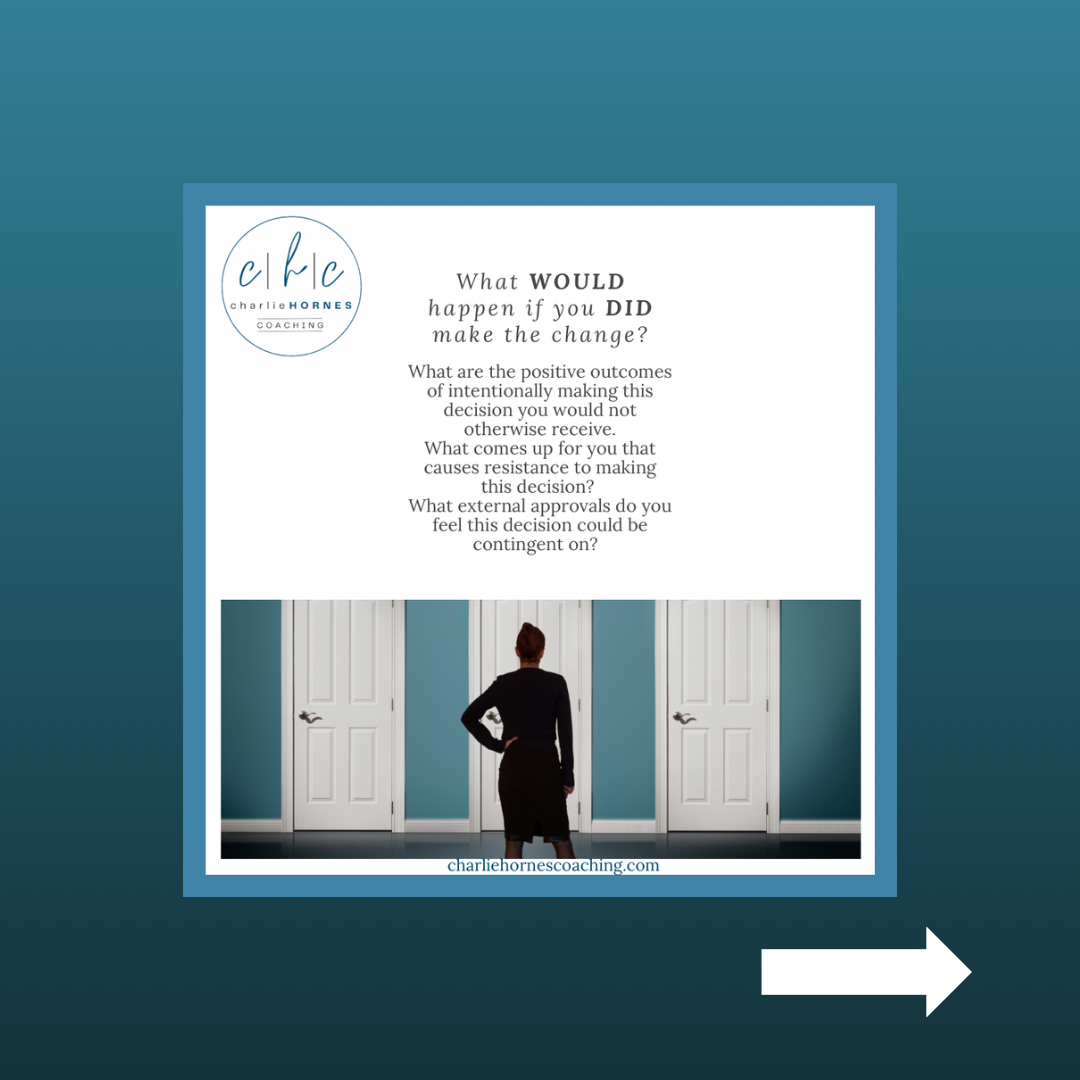
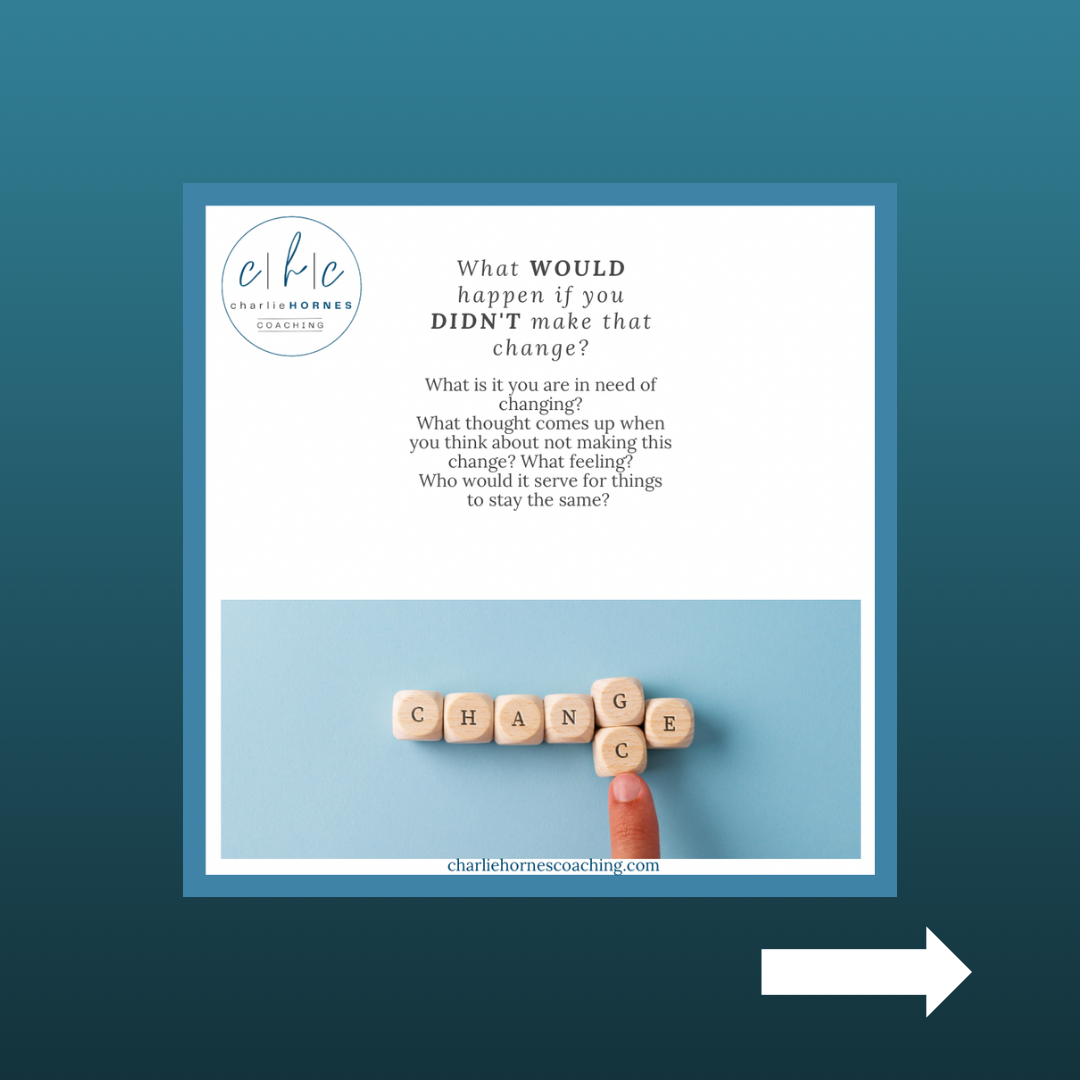
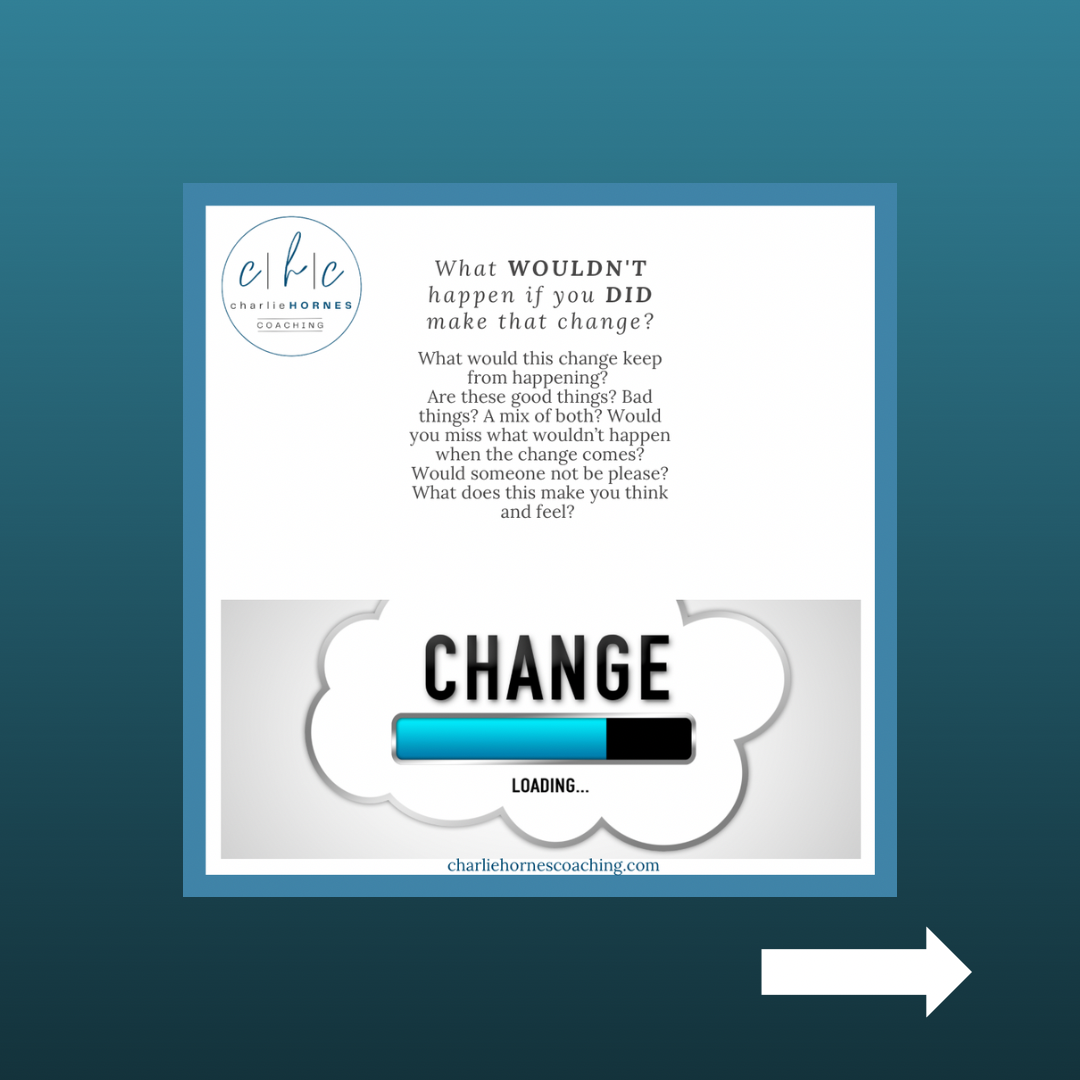
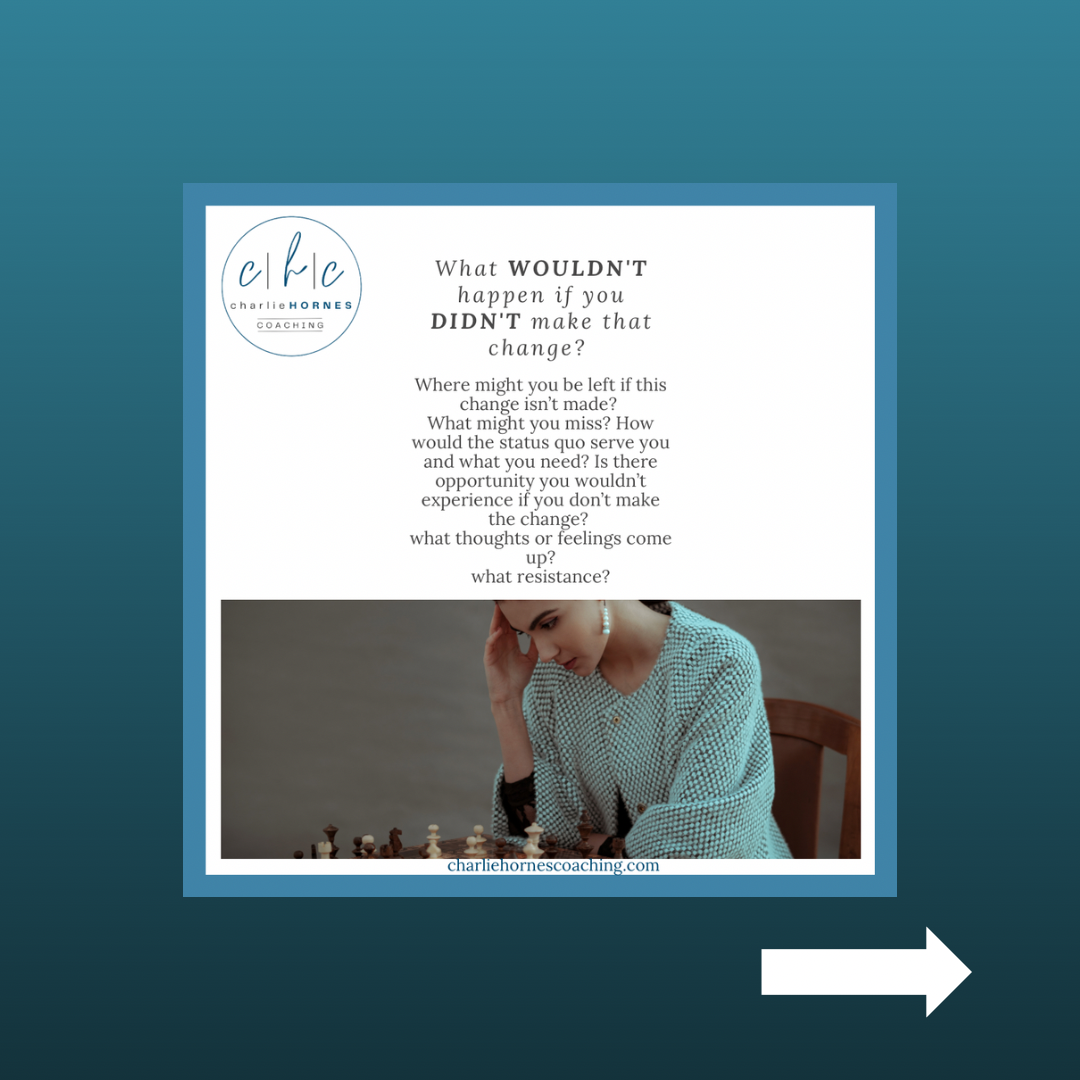
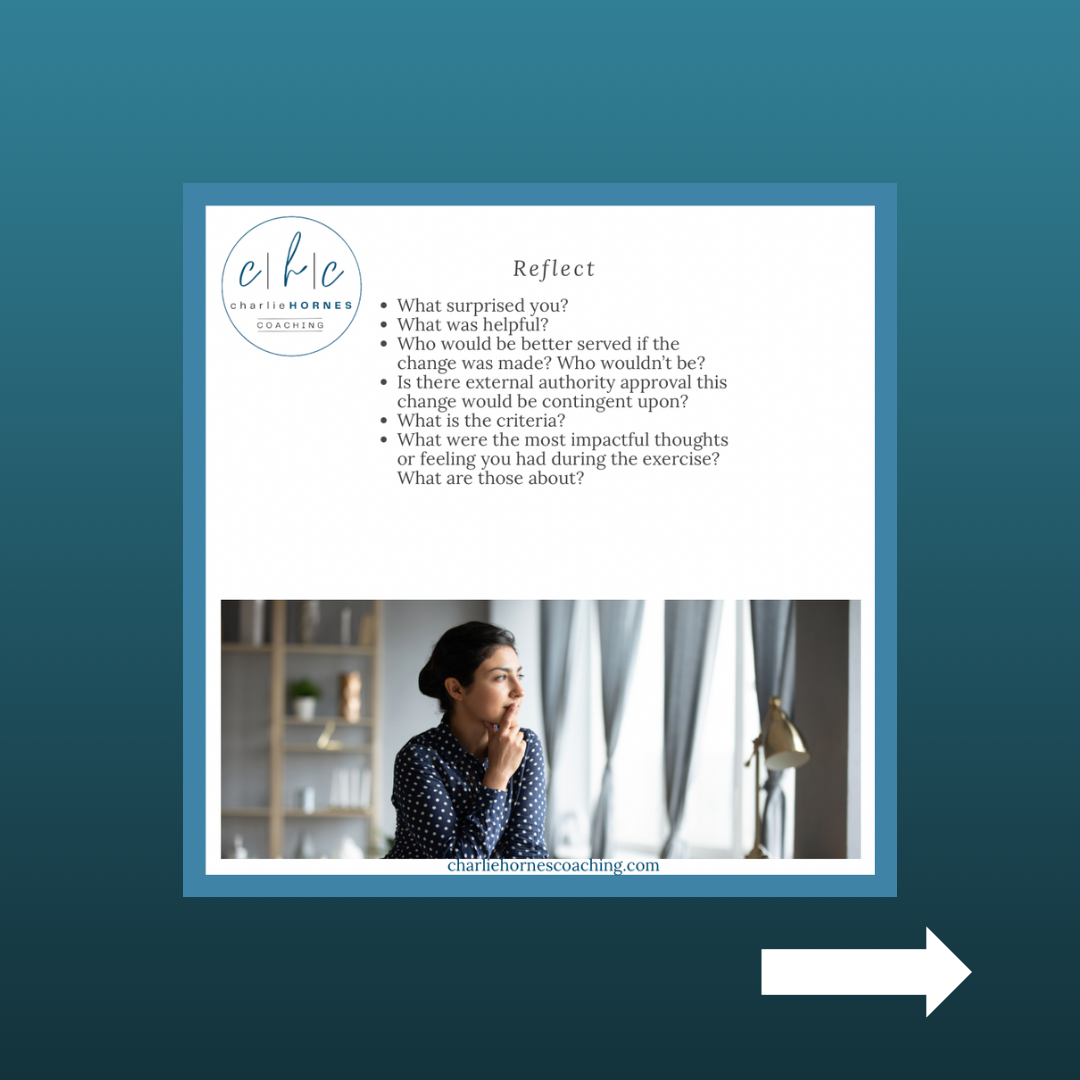
French patristics philosopher René Descartes (1596-1650) is often credited with being the “Father of Modern Philosophy.” You might know him from his theory: Cogito, ergo sum or “I think, therefore I am.” He rejected Aristotelianism and took metaphysics in a new direction. What does he have to do with Women and Empowered Decision Making through the lens of patriarchal socialization? His theories are based on the point of “methodological” or ‘hyperbolic” doubt, which, he argues, serves to clear the mind of preconceived opinions that might obscure the truth. The goal then is to find a truth that cannot be doubted. This first undisputed truth one drills down to will then serve as an instinctively known metaphysical “axiom” from which absolute certain knowledge can be deduced. He aims to find one’s own “truth.” When making decisions from a place of empowerment, women must first consider how the decision will or will not serve them in a life-giving way. What is their “axiom?” They also must ask who else would the decision serve and would this truthfully be in alignment with one’s authentic values, priorities, and goals, or is this an external authority whose approval making a decision is contingent on? Women are socialized to put everyone else first and feel guilt and shame whenever they want to do something that is truthfully what THEY want or need. It is hard to find one’s undisputed truth when one has been socialized from birth to please everyone else. But here’s what women must begin to understand. When we stop people pleasing, some people won’t be pleased. How can you learn to sit in the emotion and anxiety that inevitably will arise when you begin to make empowered decisions from a place of internal truth, rather than external approval? What comes up for you when you consider this? I imagine it’s not comfortable. Here’s a tool I offer you to consider when facing the opportunity to begin making empowered decisions. Below is my modification of Descartes’ 4 Cartesian Questions, or Cartesian Coordinates, based on a mathematical equation. which can help you see a decision from 4 related/opposing perspectives. Comment below what you think about this epistemology ⬇️ #charliehornescoaching #descartes #cartesianquestions #womensempowerment #womenstransformation #womenscoaching #empowereddecision